2026-08-19 · Tom Rivas
Maintaining Your Septic System in the Uncompahgre Valley
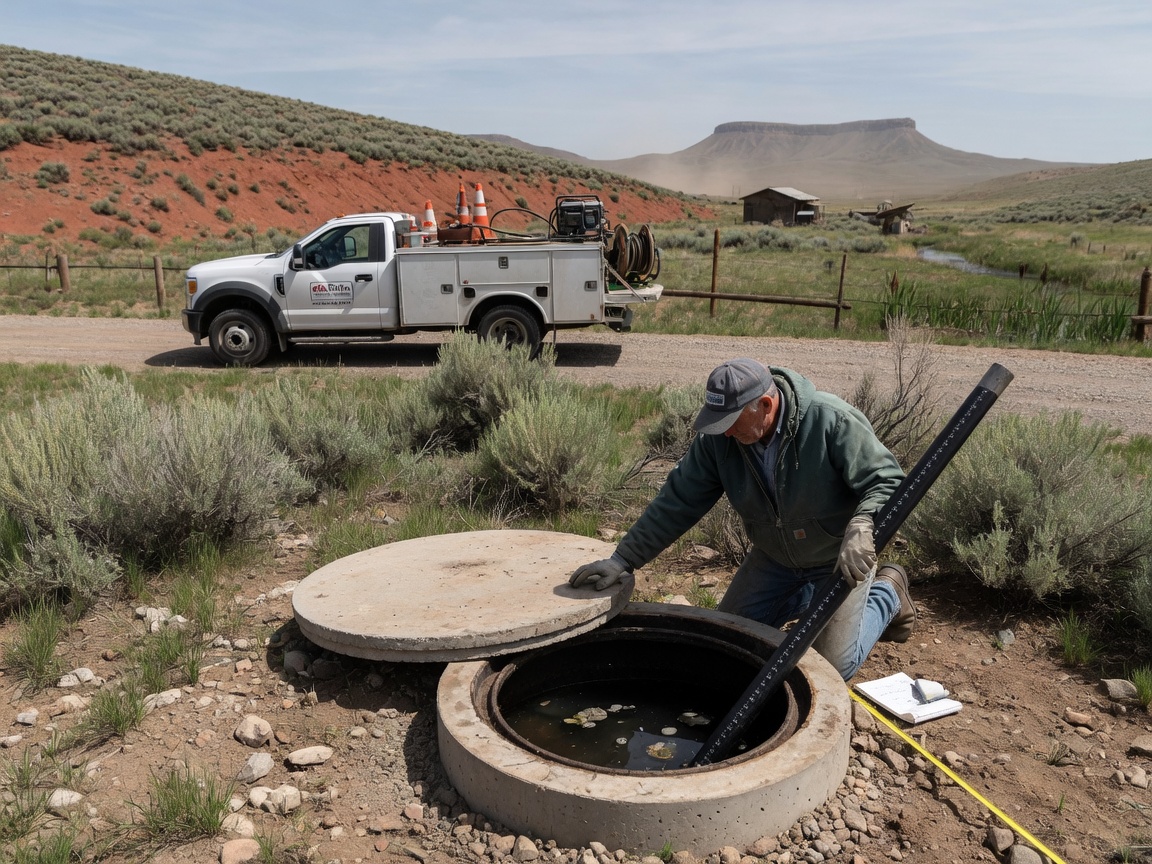
Septic systems in the Uncompahgre Valley around Delta typically need pumping every 3–5 years depending on household size and tank capacity to avoid solids buildup that leads to drain field failure.
How Delta's High Desert Climate Affects Septic Systems
The high desert valley climate brings hot, dry summers that increase evaporation rates from drain fields and cold winters that can freeze lines if insulation is inadequate. Homes near Downtown Delta and along the Uncompahgre River often sit on older clay soils that drain slower than sandy areas near Confluence Park. These conditions mean roots from cottonwood trees common in the valley can infiltrate tanks more aggressively during summer growth spurts. Property owners in nearby Cedaredge and Orchard City report more frequent issues when heavy spring runoff raises groundwater levels and saturates fields. Understanding these seasonal shifts helps schedule inspections before winter sets in rather than reacting to backups after a cold snap.
Recommended Maintenance Schedule for Uncompahgre Valley Homes
Start with an annual visual check of the tank lid and drain field for pooling water or odors, especially after monsoon rains common in late summer. Schedule professional pumping every 3–5 years for a standard 1,000-gallon tank serving a three-bedroom home. In colder months, monitor for slow drains that signal freezing in the outlet line running toward the field. Delta County properties built before 1980 often have smaller tanks that fill faster with modern water use, so shorten the interval to every 2–3 years. Keep records of each service date and any repairs to spot patterns tied to the valley's freeze-thaw cycles.
Inspecting and Pumping Your Tank
A thorough inspection looks for cracks in concrete tanks and checks baffle integrity to prevent solids from reaching the drain field. Septic Tank Pumping removes accumulated sludge before it exceeds one-third of tank depth. Technicians also measure scum layers and note any root intrusion common along older lines in Downtown Delta neighborhoods. Homeowners should avoid parking vehicles over the tank or field to prevent soil compaction that reduces absorption. After pumping, confirm the outlet filter is clean so wastewater flows evenly during the next heavy-use period in summer.
Protecting Your System During Winter Months
Cold snaps in the Uncompahgre Valley can freeze effluent lines when temperatures drop below 20°F for several nights. Add insulation blankets rated for underground use around exposed pipes and keep snow cover on the drain field for natural insulation. How to Keep Pipes from Freezing in Delta Colorado Cold Snaps offers additional steps that apply directly to septic outlet lines. Avoid using septic additives during winter because they do not break down frozen waste effectively. If a line does freeze, professional thawing with camera inspection prevents cracking the older clay or concrete pipes found in many Delta County homes.
When to Call for Septic Services
Contact a local technician if you notice gurgling toilets, slow drains, or bright green grass over the drain field after heavy irrigation in summer. Septic Services teams familiar with valley soil conditions can perform camera inspections to locate blockages without excavation. Early intervention often costs far less than replacing a failed drain field, which can run $8,000–$15,000 depending on lot size and access near Confluence Park. Keep emergency contact information for 24-hour response handy during holiday weekends when usage spikes.